
YELLOW #3
Grinding automation
Fast, highly precise, always exactly the same: the dynamic movements of grinding robots are fascinating to watch. The result is just as fascinating: absolutely consistent surfaces, always in the same time, at the same cost. Klingspor contributes to this with grinding tools that help robots push boundaries.
Container for the scroll indicator
(Will be hidden in the published article)
Many large industrial companies automated their grinding processes years ago. There, grinding robots populate the production halls instead of skilled workers, deburring weld seams or smoothing surfaces every second. Manual workstations have not completely disappeared from the halls, but they have become significantly fewer. Grinders there mainly do reworking or process small and very small series.

The big players are leading the way
"Those who introduced grinding robots in the first wave of automation generally produced very high volumes in series," says Uwe Behrendt, Key Account Manager at Klingspor. "This meant that the purchase of the expensive technology paid for itself particularly quickly." One of the reasons for switching to robots back then was the lack of skilled workers: trained grinders were becoming increasingly rare, and the strenuous work was becoming increasingly unpopular. With an ageing society, the shortage of skilled workers is becoming more acute, which is one reason why more and more smaller companies are now considering grinding automation.
Is automation also profitable on a small scale?
Automation is now also paying off in the production of small series of a few hundred units. There are three reasons for this: robot technology is becoming more affordable, programming is becoming easier and retooling is becoming faster. Plant manufacturers are working to reduce the high costs of retooling and reprogramming robots: "Component recognition is being automated with the aid of sensors, lasers and cameras, user interfaces are becoming more uniform and intuitive, and software is being controlled by AI," says Behrendt. This means that highly specialised experts are no longer needed for retooling, which is becoming faster and more cost-effective.
No grinding robot without abrasives
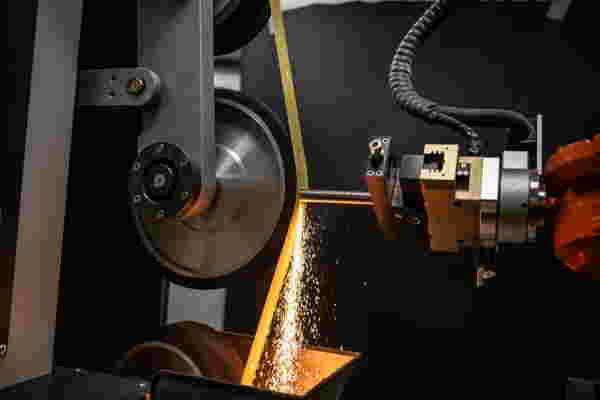
As an abrasive manufacturer, Klingspor is closely involved in the innovation process of robotic grinding. After all, without the right abrasives, even a robot cannot achieve perfect grinding results. However, there are a few things to consider: "In some cases, a robot needs different abrasives than a human," explains Behrendt. They must be designed for the constant, consistent and often high pressure of the robot. High temperature resistance is necessary to withstand high grinding temperatures and continuous use without breaks. The abrasives must also offer long service lives to minimise set-up times. In addition, they often require more flexible and tear-resistant substrates in order to grind complex shapes.

Full process control
In order to perfectly match abrasives to automated grinding processes, Klingspor works closely with end customers and grinding robot specialists such as SHL AG, reports Jens Fischer, Klingspor Key Account Manager: "We look at the required process together. Then we adjust various parameters on the abrasive: From grain type and size to dispersion, bond and closure type, backing and coatings, there are many parameters that influence the grinding process and the grinding result." It is crucial that the robot and the abrasive are compatible. Only when they work together perfectly can they offer a consistently high- ous process with consistent surface results and ensure full process control.
Pushing boundaries
No fatigue, no health risks, no power limitations: for Klingspor, the use of grinding robots is not just an extension of the human arm. It opens up completely new possibilities for the use of Klingspor abrasives with higher contact pressures, optimised cutting speeds and greater process reliability – pushing the boundaries of what can be ground, grain by grain.
The future of automated grinding: AI, size 2 and specialised abrasives
What does the future hold for automated grinding? Thanks to artificial intelligence and self-learning programmes, grinding robots are becoming increasingly easy to use, predict Jens Fischer and Uwe Behrendt from Klingspor. This also makes them increasingly attractive for small and very small sizes: "Up to size 2/3. This development is just beginning."
The two experts see a trend towards specialisation for the abrasives used on robots: they are being tailored more and more precisely to their intended use. Grit types and geometries are changing as longer service lives and greater aggressiveness are required. Coatings ensure low temperatures.
Klingspor already has an answer to the increasingly individual requirements for grinding: high-performance abrasives with CEVOLUTION technology. Depending on the product and application, these abrasives on backing pads, grinding mop discs and diamond tools offer longer service life, greater aggressiveness or both – making them ideal for automated grinding.
Tradition meets the future: symposium on automated grinding inspires
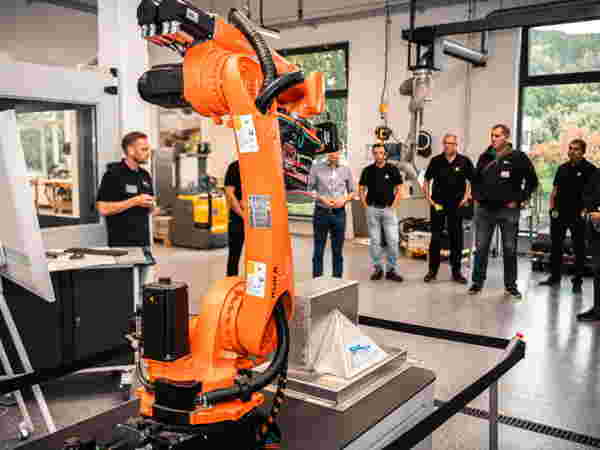
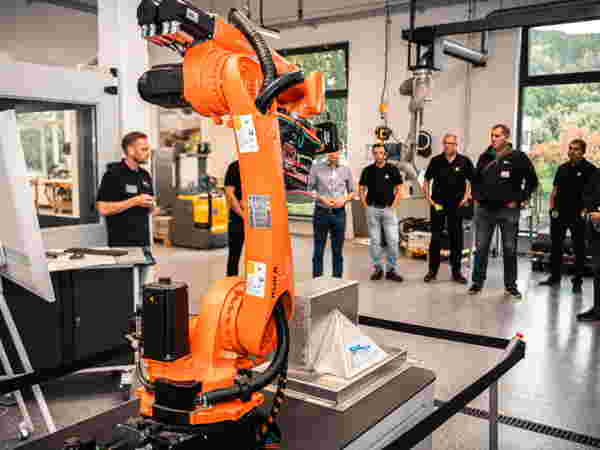
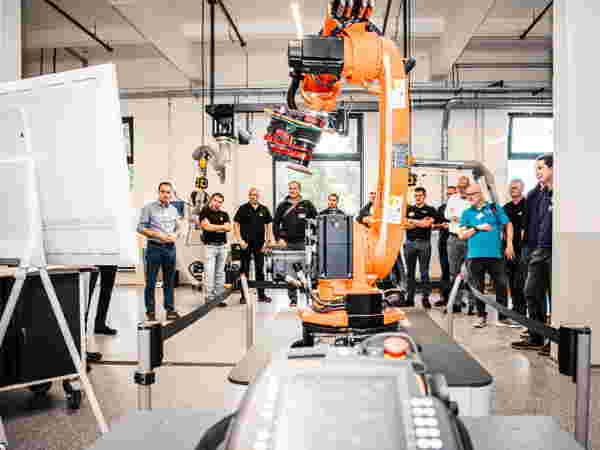
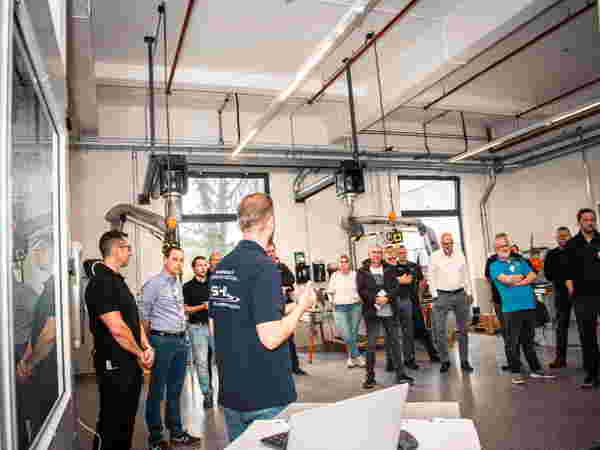
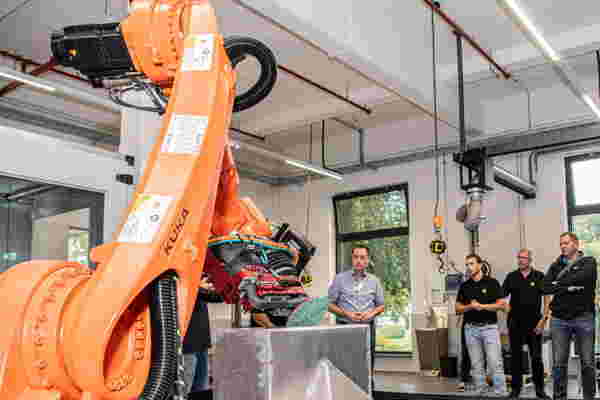
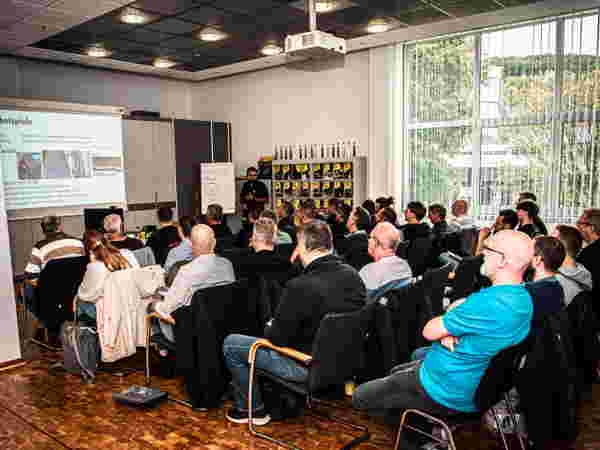
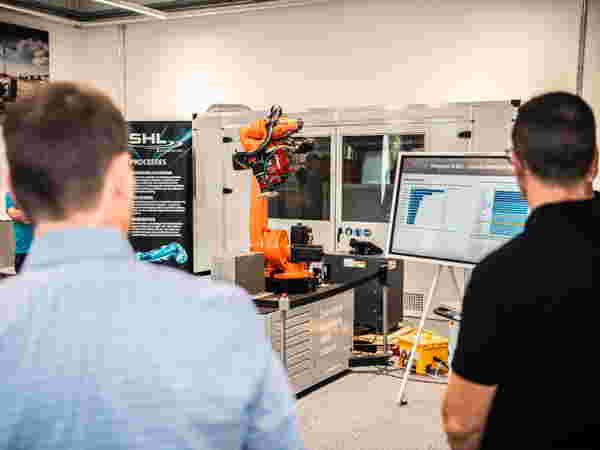
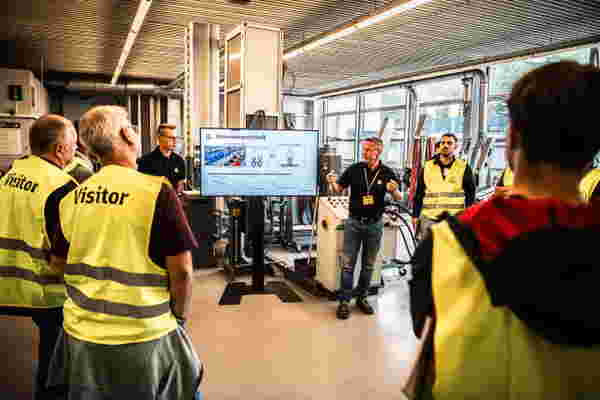
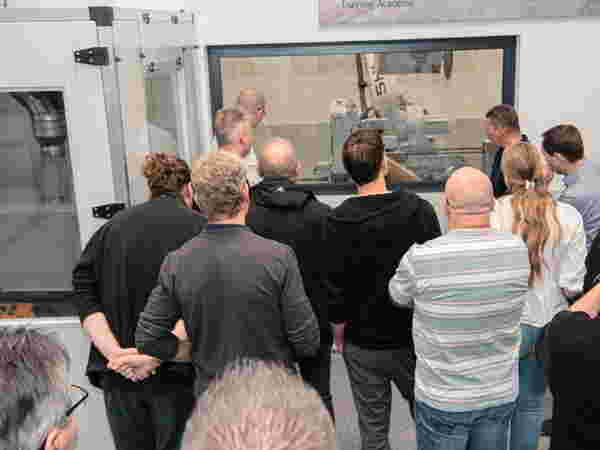
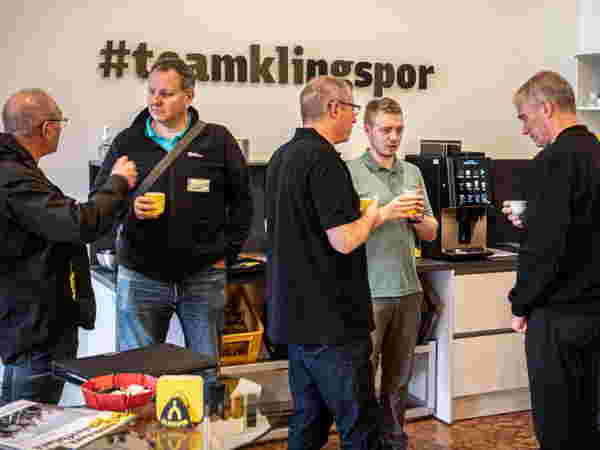
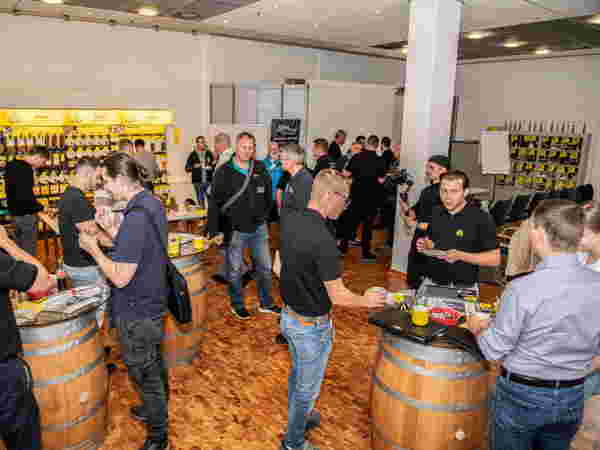
Representatives from grinding companies were able to experience the precision dance of the grinding robots live at the Klingspor Academy in Haiger. Klingspor and its automation partner SHL AG hosted a symposium entitled "Automated grinding – process optimisation made easy", showcasing more than 130 years of grinding expertise, pioneering spirit and state-of-the-art automation technology.
Inspiring people
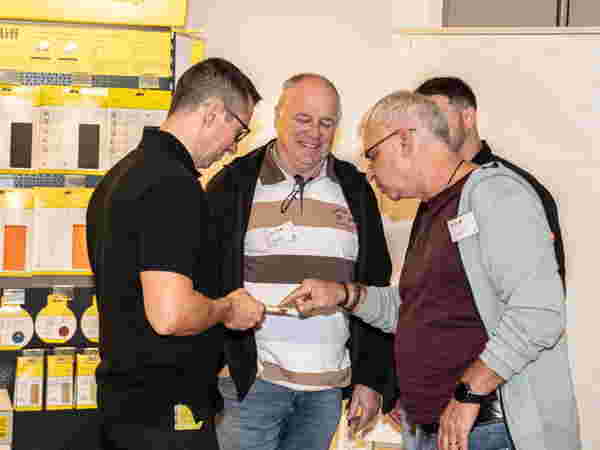
The specialist presentations and grinding demonstrations in the test field and training academy made one thing clear: automated grinding is much more than a trend, it is the future of industrial grinding. Klingspor and SHL impressed with their experience, expertise and applied grinding innovations. "Over these two days, we have not only optimised processes, but also inspired people," summarised Ibraim Lapa, Head of Business Development at Klingspor.
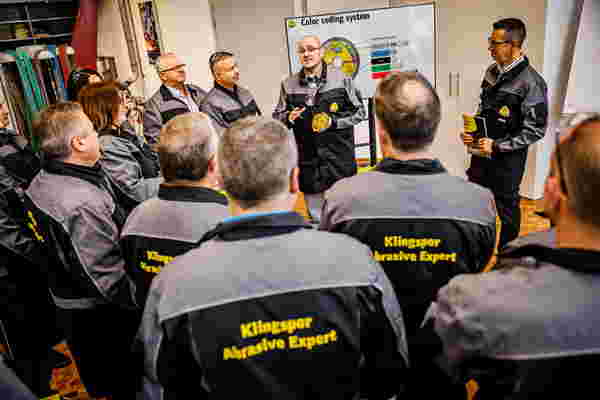
Want to sharpen your knowledge?
The Klingspor Training Academy – a place where customers become real fans. Discover the fascinating world of grinding, cutting and drilling now!

Container for the dynamic page
(Will be hidden in the published article)
Container for the dynamic page
(Will be hidden in the published article)